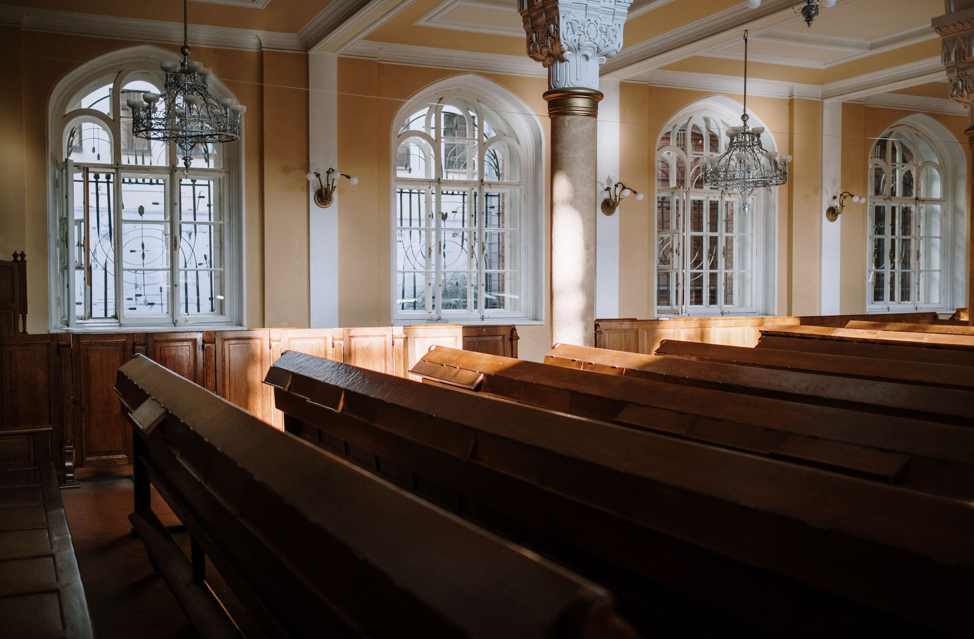
Some time ago, a discussion after church raised the topic of silence, as we usually don’t have music when the elders distribute the elements of the Lord’s Supper.
The question was, “Why we can’t have music to break the silence?” And it gives people something to listen to while they contemplate.
It is true that this is the only moment of silence in our worship, and it might be awkward, because we are not used to silence anymore. Many churches have music all the time, sometimes even during the prayer.
Michael Walter’s wrote about this from a contemporary worship perspective:
“Many worship services seem to be running on caffeine or amphetamines —they are frenetically paced and can’t seem to make themselves sit still or be quiet.”
Silence provides a moment when, as Marva Dawn writes, “we have to face ourselves, our cares, our ugliness, our emptiness. Most difficult of all, we might encounter God.”
William Willimon asks, “Are we afraid that in our silences God might come and surprise us? Is that why we keep talking, and moving, and singing? The emphasis here is upon teaching the church to learn the power of silence.“
Some people may claim they can better worship with music all the time. But Scripture shares that God is also a God of silence. He spoke to Samuel in the silence of the night, and he spoke to Elijah from the silence. Jesus prayed to his Father in solitude and silence. In a moment of silence in worship, we are in good company.
A church that can embrace collective quietness requires moving from silence as “an absence of sound” to silence as a “presence of attention.” Churches that know the power of silence have shifted from experiential worship to transformative worship.